request to quote
Leave Your Message
0%

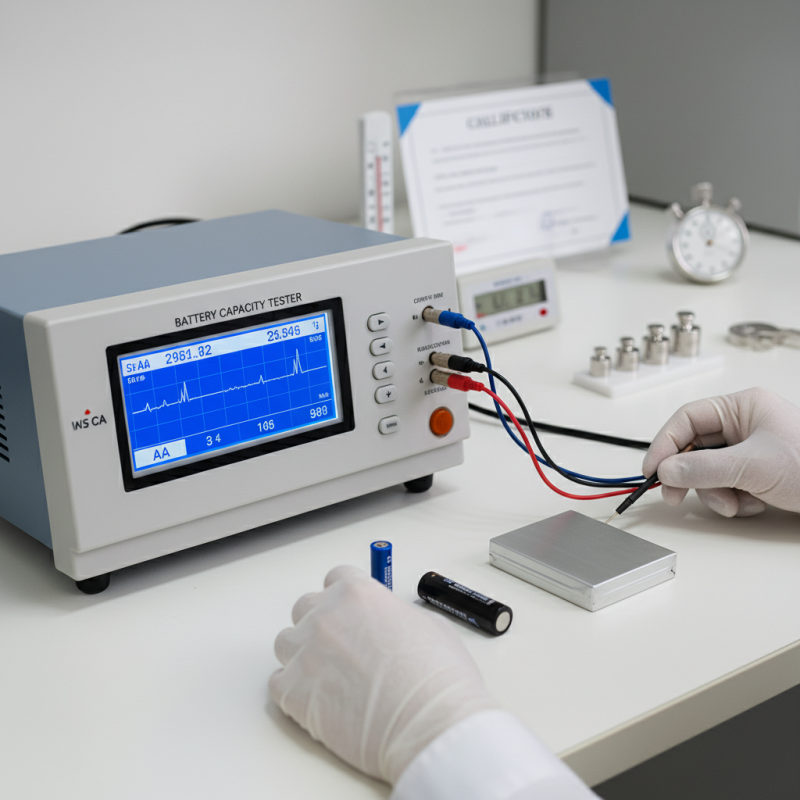
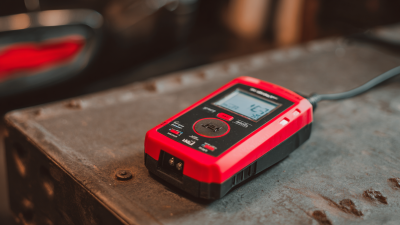
When using a Battery Capacity Tester, accuracy is crucial. Many users overlook important factors. Even a slight error can lead to misleading results. This often stems from a lack of understanding. For example, temperature can affect battery performance. A cooler environment may yield different readings than a warmer one.

Proper calibration of the Battery Capacity Tester is vital. Users should regularly check and calibrate their equipment. Neglecting this step is a common mistake. Some may assume their device is always accurate. Such assumptions can lead to miscalculations and poor decision-making. Always consult the manufacturer’s guidelines for calibration procedures.

Another area of concern is test duration. Rushing the testing process may produce unreliable outcomes. Each battery has unique discharge characteristics. Users can benefit from taking their time. It allows for a thorough assessment and avoids hasty judgments. Keep in mind the nuances to improve testing efficiency. By addressing these factors, the reliability of your Battery Capacity Tester results can significantly improve.

Battery Capacity Tester Tips for Accurate Measurements?

Understanding Battery Capacity: Key Metrics and Terminology

Understanding battery capacity is crucial for effective measurement. Key metrics include amp-hour (Ah) and voltage. Amp-hour indicates the energy stored in the battery. Voltage reveals the battery's state of charge. Both factors play pivotal roles in testing battery performance.

When using a Lead Acid Battery Capacity Tester, precise readings are essential. A fully charged battery typically shows around 12.6 volts. Deviation may signal potential issues. Regular testing helps in identifying weaknesses or early failures. Inconsistent measurements? This might mean improper connections or the need for calibration.

Battery capacity isn't just numbers. It’s about the reliability of the power source. Take time to understand battery specifications. Poor performance could result from environmental conditions or aging. Assessing these elements can improve accuracy in your testing process.

Types of Battery Capacity Testers: Comparison and Selection Criteria

When selecting a battery capacity tester, it's important to understand the types available. There are analog and digital testers. Analog testers provide a visual indication of charge, while digital displays offer precise readings. Consider what you need for your testing environment.

Battery capacity testers vary in functionality. Some allow for simultaneous testing of multiple batteries. Others may require individual testing. Look for features such as a built-in load and voltage check. Choose a model that fits your battery types. Do you work with various battery sizes? A versatile tester may be beneficial.

Tips for accurate measurements include ensuring proper connections. Loose connections can lead to faulty readings. Allow the battery to rest before testing. This gives a true capacity reading. Always calibrate your tester according to the manufacturer’s instructions. Any mistakes can lead to poor battery management. Regular checks can prevent issues down the line.

Calibration Techniques for Accurate Battery Capacity Measurements

Battery Capacity Tester Tips for Accurate Measurements?

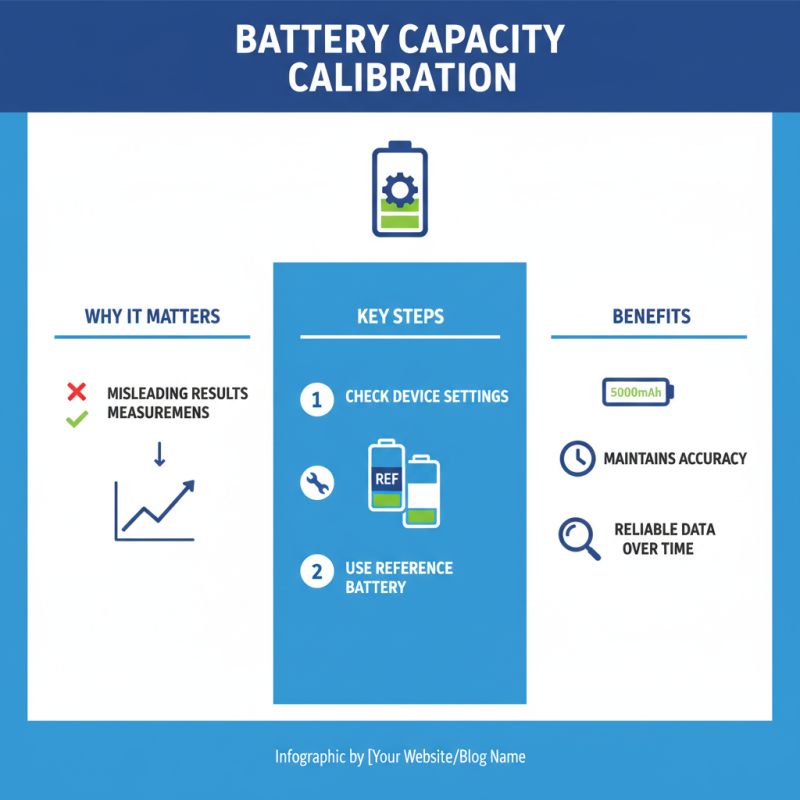
Calibration is crucial for accurate battery capacity measurements. Without proper calibration, results can be misleading. Regularly check the device’s settings. Use a reference battery of known capacity. This helps maintain accuracy over time.

Environmental conditions can also affect readings. Keep the tester in a stable temperature range. Avoid extreme heat or cold. This simple adjustment improves measurement reliability. Sometimes, even minor fluctuations may lead to errors.

Take note of the connections. Corrosion or poor contact can skew results. Clean the terminals and connectors regularly. Be cautious about the load during tests. Overloading a battery can give incorrect capacity readings. Focus on these details for better accuracy.

Testing Conditions: Temperature and Humidity Effects on Battery Performance

Battery Capacity Tester Tips for Accurate Measurements?

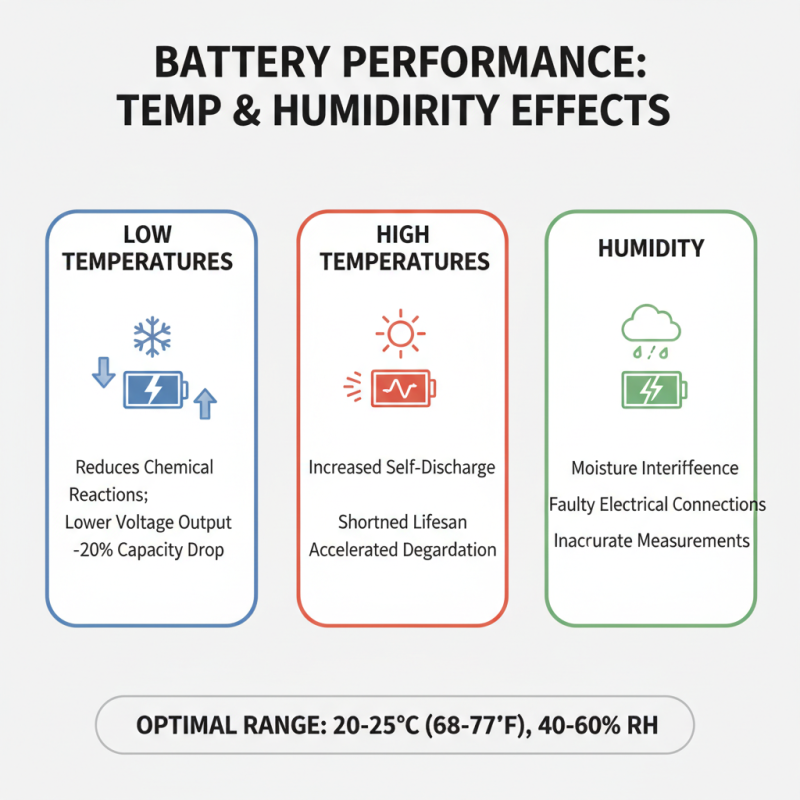
Temperature and humidity significantly impact battery performance. Research shows that battery capacity can drop by 20% in extreme temperatures. Low temperatures reduce chemical reactions, leading to lower voltage. In contrast, high temperatures can increase self-discharge rates, shortening battery life. Humidity can introduce moisture, which might interfere with electrical connections, leading to inaccurate measurements.

When using a battery tester for deep cycle batteries, follow proper testing practices. Ensure the battery is at room temperature, ideally between 20-25°C. This condition helps provide reliable readings. Always check humidity levels; high humidity can cause corrosion and affect battery health. Measure in a controlled environment whenever possible for better accuracy.

Consider two additional tips. First, avoid testing outdoors during rainy or very cold days. Fluctuations in weather can mislead battery performance assessments. Second, allow the battery to rest for a few hours after charging before testing. This rest period allows for a more stable reading and a true reflection of capacity.

Interpreting Battery Capacity Results: Standards and Expected Ranges

Battery capacity testing is crucial for various applications. Accurate measurements can be tricky due to several factors. The environment can impact results. Temperature, humidity, and even the condition of the battery affect performance. For example, battery performance is typically rated at 25°C. Testing at different temperatures may lead to misleading results.

Interpreting battery capacity results requires knowledge of standards. The International Electrotechnical Commission (IEC) states that a typical lithium-ion battery cell should have a capacity range of 2000 mAh to 3000 mAh. Discharging below 20% may damage the cell. Many testers claim accuracy levels of 95% or higher. But how reliable are these figures?

Using a High Voltage Battery Tester offers benefits. It can provide precise readings that showcase true performance. However, testing should remain consistent. Variations in technique can lead to discrepancies. Some may overlook the significance of fully charging the battery before tests. Parameters such as discharge rates are also essential. A high discharge can deliver lower capacity readings. Thus, operators must stay vigilant in their methods and interpret results accordingly.

Battery Capacity Testing Results

Common Errors in Battery Testing: Avoiding Misleading Measurements

Battery Testing can reveal crucial information about the health of your batteries. However, inaccuracies are common and can lead you astray. Misleading measurements may stem from various sources. For instance, failing to check the device's calibration can lead to significant errors. Always ensure your equipment is properly calibrated before testing.

One common mistake is not accounting for temperature variations. Batteries perform differently in heat and cold. If you test in an unsuitable environment, expect unreliable results. Pay attention to the ambient temperature of your testing area. Use an Emergency Light Battery Tester that can adapt to various conditions for more precise readings.

Another pitfall is not allowing the battery to rest before testing. Batteries can heat up during use, affecting their performance. Give them time to cool down. This simple step can greatly improve the accuracy of your assessments. Remember, testing batteries requires careful attention to detail.

Regular Maintenance of Testing Equipment for Consistent Accuracy

Regular maintenance of testing equipment is crucial for achieving accurate measurements in battery capacity testing. Often, testers overlook this aspect, leading to inconsistent results. Dust and grime can accumulate on testing devices, causing faulty readings. A thorough cleaning routine helps mitigate this issue. Wipe surfaces with a soft cloth regularly. Ensure connectors are free from corrosion.

Calibration is another key factor. Many testers neglect to recalibrate their devices after prolonged use. This can result in significant measurement errors. Checking the calibration against a known standard helps maintain accuracy. Log calibration dates. Create reminders for routine checks.

Finally, storage conditions affect equipment longevity. Avoid extreme temperatures and humidity. Store devices in a controlled environment to prevent damage. Neglecting these maintenance practices might lead to frustrations during testing phases. Reflecting on these points can lead to improved practices.

Battery Capacity Tester Tips for Accurate Measurements

Tester Model Measurement Range (Ah) Accuracy (%) Calibration Frequency (Months) Last Maintenance Date Notes
Model A 1 - 200 ±1% 12 2023-01-15 Calibration is due soon.
Model B 5 - 300 ±0.5% 6 2023-05-10 Recently calibrated.
Model C 10 - 500 ±2% 12 2023-02-20 Needs maintenance check.
Model D 1 - 100 ±1.5% 3 2023-09-05 Check for battery wear.

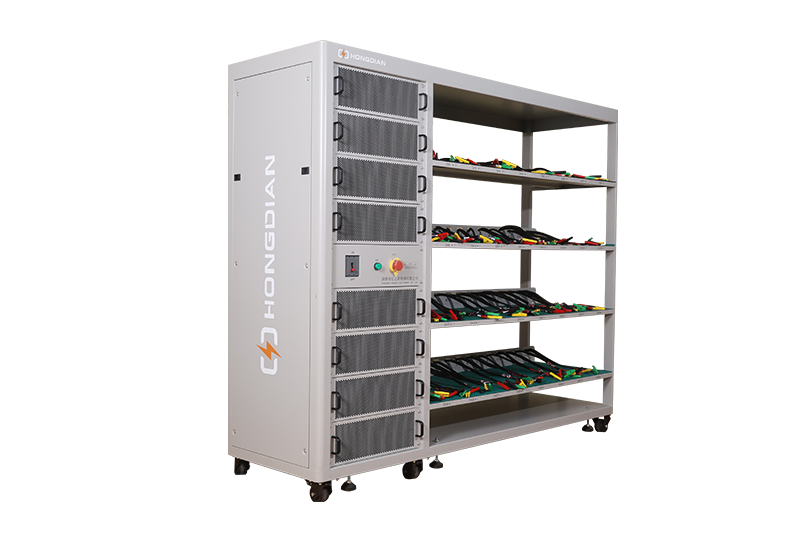
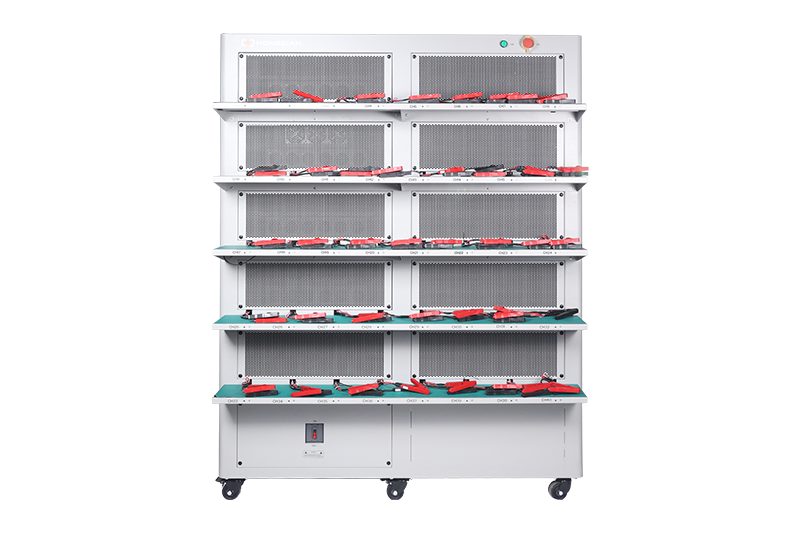
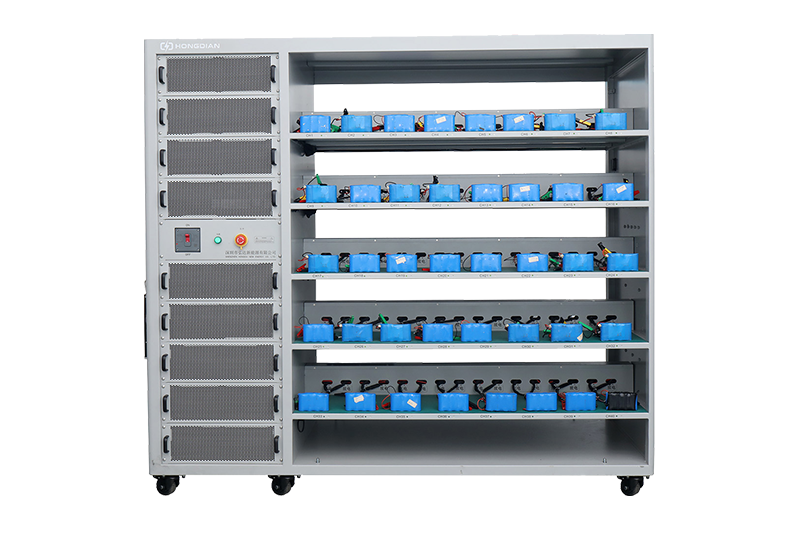
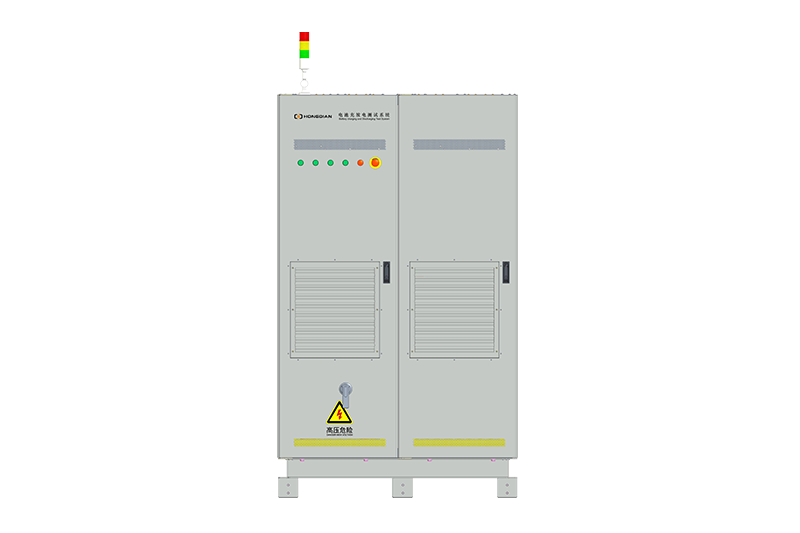
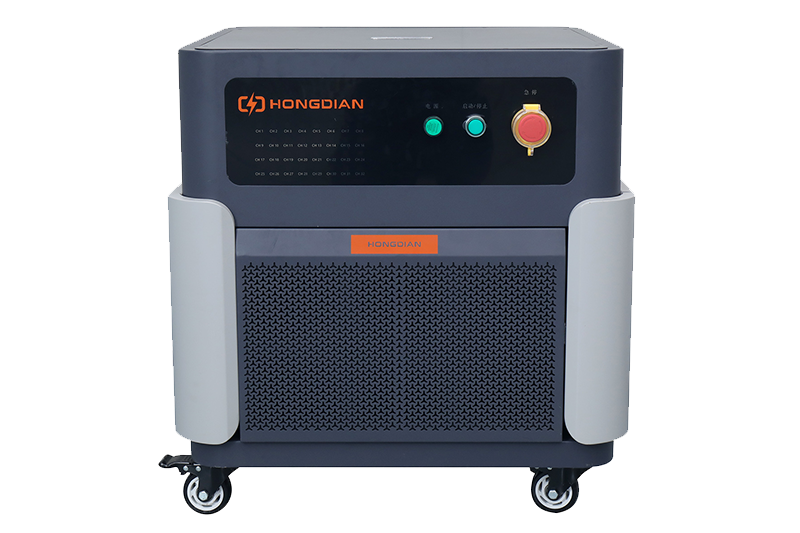
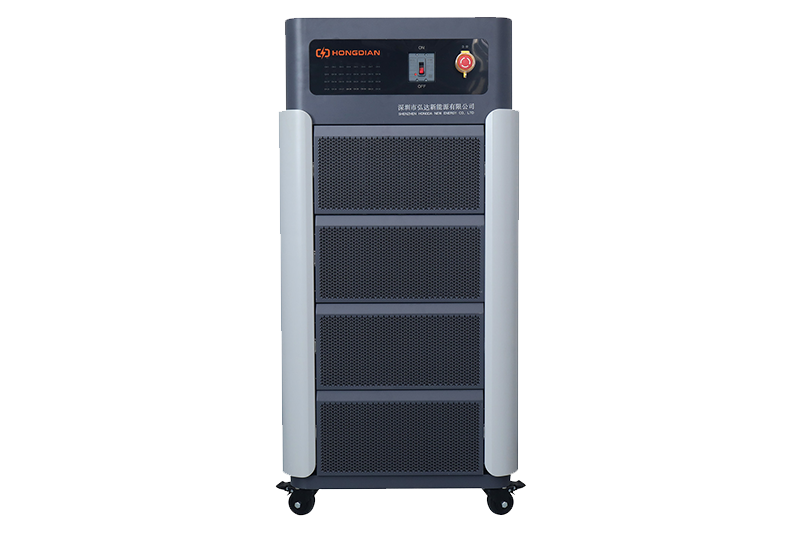
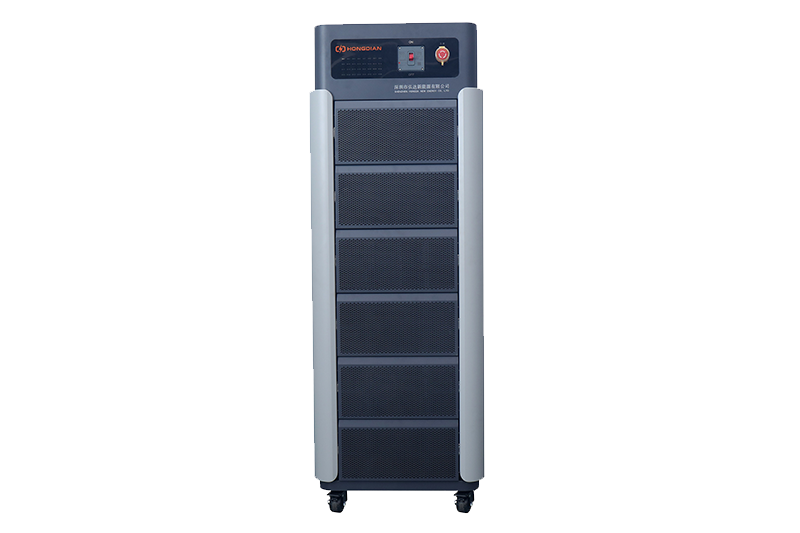
Comprehensive Guide to the 64 Channel Battery Charging and Discharging Test Integrated Battery Cabinet

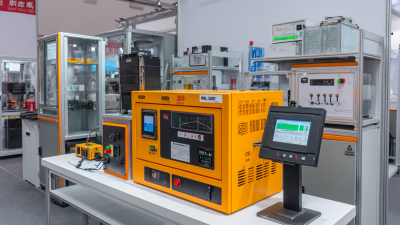
The Comprehensive Guide to the 64 Channel Battery Charging and Discharging Test Integrated Battery Cabinet serves as an invaluable resource for understanding the intricacies of battery performance testing. This innovative system facilitates simultaneous monitoring and evaluation of multiple battery units, enabling precise assessments of their charging and discharging capabilities. With 64 channels available, researchers and engineers can conduct extensive testing scenarios, yielding rich data that is crucial for optimizing battery lifespan and energy efficiency.

At the core of this advanced battery testing setup is the energy feedback charging and discharging testing system. This computer-controlled mechanism ensures accurate control and measurement of energy transfer, allowing for focused experimentation on various battery chemistries and configurations. By utilizing such a sophisticated system, users can not only validate the performance metrics of their batteries but also explore new possibilities for energy management and storage solutions. This comprehensive guide outlines best practices and methodologies to maximize the effectiveness of the integrated cabinet, making it an essential reference for professionals in the field of battery technologies.

FAQS

: What is the main purpose of the product?

: The product aims to simplify tasks and improve efficiency in daily routines.

How should I use it for best results?

Follow the instructions carefully. Regular usage ensures better outcomes and habit formation.

Can I experience some issues while using it?

Yes, some users may face challenges. It's essential to adjust your approach based on your experience.

How quickly can I see noticeable changes?

Results vary. Some may notice changes within weeks, while others might take longer.

What should I do if it doesn't work as expected?

If results are disappointing, reassess your usage methods and consider seeking advice for improvement.

Is it suitable for everyone?

While many can benefit, individual results may differ. Consider personal needs before trying.

How long should I use it to evaluate its effectiveness?

A consistent usage period of at least a month is often recommended for solid assessment.

Can I pair it with other similar products?

Combining products can be helpful, but monitor for any adverse reactions. Take it slow.

What if I have an allergic reaction?

Stop using it immediately and consult a healthcare professional for guidance on next steps.

Is there a money-back guarantee?

Policies vary. Check the terms closely before making a decision to ensure your satisfaction.

Conclusion

Accurate measurements in battery capacity testing are crucial for assessing battery performance and longevity. Understanding key metrics and terminology is essential for interpreting results correctly. There are various types of Battery Capacity Testers available, and selecting the appropriate one based on specific needs and comparison criteria can significantly impact the accuracy of measurements. Moreover, calibration techniques should be employed to ensure instruments are functioning properly, while testing conditions such as temperature and humidity can affect battery performance outcomes.

Interpreting battery capacity results requires knowledge of standards and expected ranges to prevent misinterpretation. Common errors in testing can lead to misleading conclusions, making it vital to apply best practices. Regular maintenance of the testing equipment will help maintain consistent accuracy and reliability in measurements, ensuring a clear understanding of battery health and capabilities.

Lila

Lila

Lila is a dedicated marketing professional at Shenzhen Hongda New Energy Co., Ltd., where she has become an integral part of the company’s growth and outreach. Since its inception, Hongda New Energy has rapidly expanded its business, successfully serving over a thousand clients and establishing a......
Previous Unlock Global Opportunities with Acid Battery Testers at the 137th Canton Fair