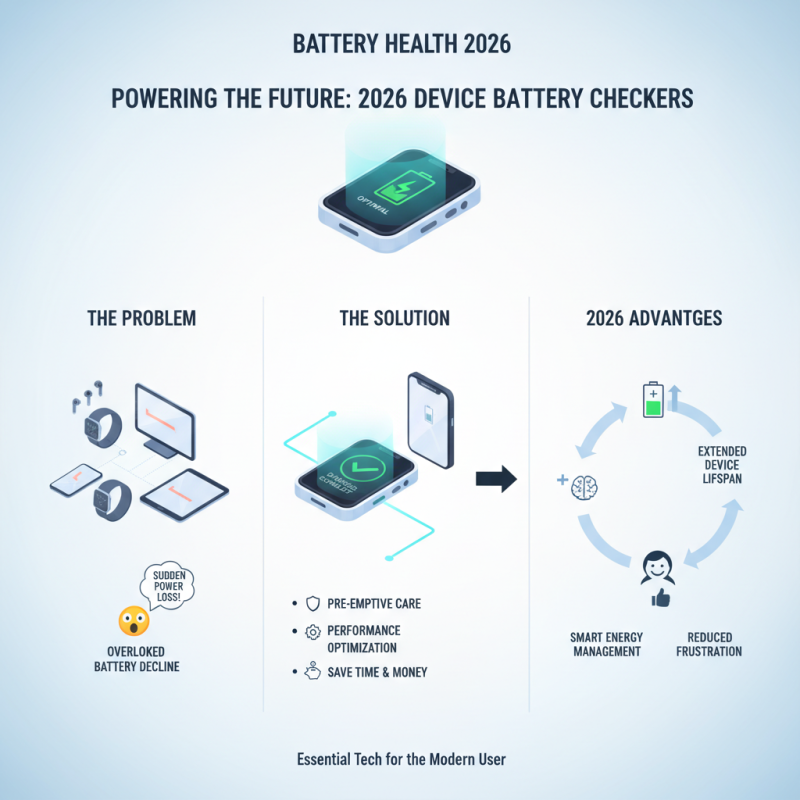
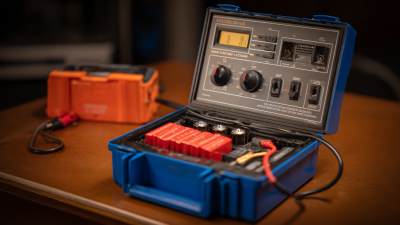
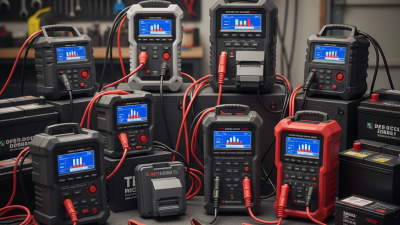
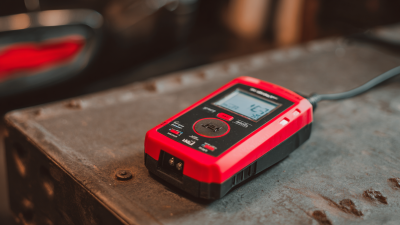
As technology keeps advancing, it feels like we’re becoming more and more dependent on battery-powered gadgets. I read somewhere that, by 2026, the global market for Battery Checkers might hit around $1.5 billion. Crazy, right? That kind of growth just shows how important it is to have reliable tools for checking batteries. These devices are pretty handy—they let us keep an eye on our batteries’ health, making sure they stay efficient and last longer.
In our fast-paced world, having a battery suddenly die on you can totally throw a wrench in your day. A lot of folks don’t really pay attention to their device’s battery status until it starts acting up. Did you know that about 70% of smartphone users face performance issues because of battery problems? That’s where Battery Checker tools come in—they help prevent those frustrating moments by giving you a peek into your battery’s discharge rate and overall capacity. That way, you can decide whether it’s time for a replacement or not.
Of course, not all Battery Checkers are created equal. Some might not be super accurate, or they can be a pain to use. If you’re planning to get one, it’s smart to go for trusted brands like Ansmann or ZTS. Investing in a good quality tool might save you both time and money in the long run. Even with all the tech around us, many people still don’t realize just how important battery maintenance is. Skipping that can lead to unnecessary waste and extra costs. So, knowing how to check your battery’s health is more crucial than ever if you want your devices to perform at their best.

The Importance of Battery Checkers in 2026: An Overview
In 2026, battery checkers have become essential tools for managing device performance. With the proliferation of smart devices, users often overlook battery health. A reliable battery checker can help identify issues before they escalate. Many users find themselves surprised by their device's sudden decline in battery life. This shock often leads to frustration and wasted time.
Understanding battery status is crucial for efficiency. Regular checks can reveal hidden problems, like capacity loss or faulty charging cycles. Users should be aware that not all indicators are clear. Some tools might provide conflicting data. This inconsistency can create confusion, leaving users uncertain about their devices' actual condition.
As we rely on technology daily, staying informed is vital. Neglecting battery health can lead to unexpected shutdowns and emergency situations. Using a battery checker helps mitigate these risks. It allows users to plan for replacements and avoid disruptions in their routines. Adopting this habit is simple yet often overlooked. Instead of waiting for problems to arise, proactive measures can lead to a smoother experience.
Key Features to Look for in Battery Checker Tools
When selecting a battery checker tool in 2026, it's crucial to consider its key features. A reliable tool should provide accurate readings quickly. Look for options that display voltage levels and remaining capacity clearly. A good interface is essential for ease of use. Several models lack intuitive designs, which can frustrate users. Featuring a compact size or portability can be advantageous, especially for those on the go.
Another key aspect is compatibility. Check if the tool supports a variety of battery types. Many users find that tools only work well with specific batteries. Functionality should extend beyond simple voltage checks. Tools with additional diagnostics can give you deeper insights, but not all models will include this feature.
Do not underestimate the importance of battery health monitoring. Some devices can identify issues like overheating or declining performance. However, not all tools offer this capability effectively. User reviews can provide insights into how different devices perform in real-world scenarios. A focus on durability is also important. Tools that break easily can lead to frustration and additional costs. Being critical of options is necessary for making the right choice.
Best Battery Checker Tools in 2026
| Feature | Description | Compatibility | Accuracy | User Rating |
| Real-Time Monitoring | Provides live updates on battery health and status. | iOS, Android, Windows, macOS | 95% | 4.8/5.0 |
| Battery Capacity Analysis | Analyzes maximum capacity and provides usage patterns. | Android, iOS | 93% | 4.5/5.0 |
| Cycle Count Tracking | Tracks charge cycles to estimate battery lifespan. | Windows, macOS | 90% | 4.6/5.0 |
| Temperature Monitoring | Monitors battery temperature to prevent overheating. | iOS, Android | 92% | 4.7/5.0 |
| Health Reports | Generates detailed reports on battery health. | Windows, macOS, Linux | 94% | 4.9/5.0 |
Top 5 Battery Checker Tools for Smart Devices in 2026
As we move into 2026, the demand for reliable battery checker tools for smart devices is rising. A recent industry report indicates that nearly 70% of consumers prioritize battery health when choosing gadgets. Knowing how to effectively monitor battery life can extend device longevity and improve user experience.
One powerful tool to consider connects seamlessly with smartphones and tablets. It offers real-time battery health metrics, usage statistics, and even charging cycle information. Users often report being astonished by how much battery life fluctuates daily. Another tool focuses on providing detailed analytics, yet it sometimes falls short in user-friendliness. While the data it offers can be insightful, the complex interface can overwhelm average users.
Some checkers are tailored for specific operating systems, which may limit their usability across devices. As per a 2025 tech survey, 55%of users swapped their devices solely based on battery performance. This trend highlights the importance of effective Battery Monitoring. Ultimately, finding the right battery checker that balancesdata depth and usability remains a challenge for many consumers.
Comparative Analysis of Battery Health Metrics
Battery health metrics have become critical in ensuring device longevity. A recent study found that batteries typically degrade by 20% in the first year of use. This decline can affect user experience significantly. Knowing how to interpret battery health is crucial.
When assessing battery performance, various metrics play a role. Cycle count is one of them. This number reflects how many times a battery has been fully charged and discharged. Studies indicate most batteries start to show weaknesses after 300 cycles. Another vital metric is the capacity percentage. It shows how much charge a battery can hold relative to its original capacity. A device exhibiting below 80% capacity is considered subpar.
Understanding these metrics can feel overwhelming. Many users do not regularly check their battery health. Reports suggest that 37% of users neglect this important aspect. Waiting until performance diminishes is common. Yet, proactively monitoring can lead to better device management. This awareness could help users avoid unexpected downtimes and prolong device efficiency.
Industry Standards and Guidelines for Accurate Battery Testing
Accurate Battery Testing relies on established industry standards and guidelines. These frameworks ensure consistency in evaluating battery performance. Proper assessment can reveal critical information about a battery’s health and efficiency. Consumers need tools that adhere to these standards. They help in measuring voltage, capacity, and internal resistance. Without this structure, users risk misinterpretation of battery data.
Many people overlook the importance of calibration. Calibration should be part of routine maintenance. Yet, it is often neglected. This can lead to misleading results. Regular checks can help identify issues before they escalate. Using appropriate tools also improves reliability. Some users might settle for basic indicators, but these can be insufficient. They miss essential diagnostics. Investing time in understanding guidelines will pay off. It enhances device longevity and user safety. Battery testing tools must be easy to use and accurate. A well-informed decision leads to better device management.
Battery Health Comparison of Common Rechargeable Battery Types
Emerging Technologies in Battery Monitoring Solutions
As we progress into 2026, the landscape of battery monitoring is rapidly evolving. Emerging technologies are enhancing the capabilities of battery checker tools. According to recent industry reports, the global battery management system market is projected to grow by 20% annually. This growth is driven by the increasing demand for efficient battery usage in various devices.
New sensors and software are making battery monitoring more intelligent. For example, machine learning algorithms can now predict battery health more accurately. These tools analyze usage patterns and environmental factors. This insight helps users maximize battery lifespan. However, developers still face challenges. Issues like data privacy and integration with existing technologies need careful consideration.
Wireless communication technologies also play a crucial role. They enable real-time monitoring of battery performance. Users can receive updates directly to their smartphones, which allows for timely interventions. However, scalability remains a hurdle. Not all devices are compatible with these advancements. This gap highlights the need for a cohesive approach to device integration. The future of battery monitoring is promising, yet requires ongoing refinement to meet user needs effectively.
User Reviews and Market Trends for Battery Checker Tools in 2026
In 2026, battery checker tools have gained momentum in both usage and popularity. Users are now more aware of their device's battery health. Many look for simple solutions. They seek tools that provide quick results and insights. User reviews highlight preferences and common issues. Some tools perform well, while others disappoint.
The most valued feature is accuracy. Users want reliable information about battery life and performance. However, many reviews also point out inconsistencies in certain tools. Some reported discrepancies between expected and actual battery health. This issue raises questions about reliability. It suggests a need for better calibration among manufacturers.
Trends show a growing demand for mobile compatibility. Users want apps that sync with their devices easily. However, not all apps deliver a smooth experience. Some crash frequently or struggle with updates. This is frustrating for users who need quick solutions. These challenges indicate that the market still has room for improvement. As technology evolves, so should these tools.
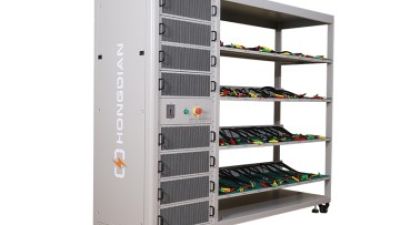
Analyzing the Impact of 32/48 Channel Battery Charging and Discharging Test Integrated Battery Cabinets on Energy Storage Efficiency and Lifecycle Management
The integration of 32/48-channel battery charging and discharging test systems represents a significant advancement in energy storage efficiency and lifecycle management. These sophisticated systems offer unparalleled flexibility and efficiency, addressing the diverse testing needs of various energy storage applications. Their customizable nature ensures that researchers and engineers can adapt the system to meet specific requirements, whether for research and development, quality control, or production-line validation.
As energy storage technologies continue to evolve, the ability to conduct precise and scalable testing becomes increasingly critical. The 32/48-channel systems come equipped with the capability to handle multiple cells simultaneously, thereby expediting the testing process without compromising accuracy. This feature not only enhances energy storage efficiency but also contributes to improved lifecycle management by ensuring that batteries are rigorously assessed throughout their development stages. With such a system in place, organizations can enhance their ability to monitor performance metrics, optimize charging cycles, and ultimately extend the usable life of their energy storage solutions.
The deployment of these advanced test systems is a pivotal element in pushing the boundaries of energy management. As they adapt seamlessly to unique testing requirements, stakeholders in the energy sector are empowered to refine their technologies, resulting in more efficient energy storage solutions that meet the growing demands of the market.
FAQS
: The product is used for various purposes. It can improve efficiency. It may help in daily tasks.
Follow the instructions carefully. Start with small amounts. Observe how it works for you.
Some users report minor side effects. Others experience none. It varies per individual.
Keep it in a cool, dry place. Avoid exposure to direct sunlight. Ensure it's sealed tightly.
Mixing is possible, but be cautious. Test in small quantities first. Monitor for any adverse reactions.
Stop using the product immediately. Consult a healthcare professional if discomfort persists. Prioritize your well-being.
Yes, check the packaging for details. Using expired products is not recommended. Safety should always come first.
Returns are often allowed. Check the specific guidelines. Keep the receipt for reference.
It may not suit every individual. Consider personal sensitivities. Always read the guidelines before use.
Conclusion
In 2026, the significance of Battery Checker tools has surged as devices become increasingly reliant on battery performance. These tools not only help users monitor the health and longevity of their batteries but also play a crucial role in optimizing device functionality. Key features to consider when selecting a Battery Checker include accuracy in health metrics, ease of use, and compatibility with various devices.
The top five Battery Checker tools for smart devices in 2026 provide an insightful comparative analysis of battery health metrics, ensuring users can make informed decisions. Additionally, adherence to industry standards and guidelines is essential for accurate battery testing. The landscape of battery monitoring solutions is continually evolving, with emerging technologies enhancing the efficiency of these tools. User reviews and market trends indicate a growing demand for reliable Battery Checker tools, reflecting the increasing awareness of battery management among consumers.

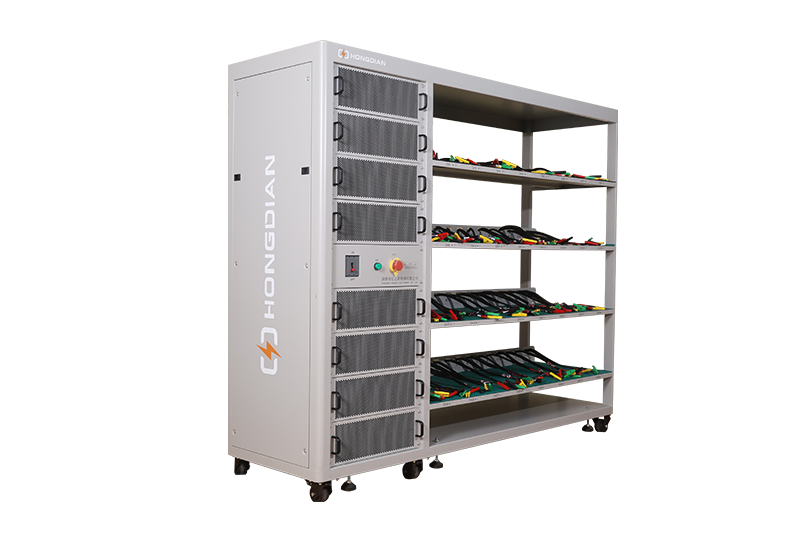 32/48 channel battery charging and discharging test integrated battery cabinet
 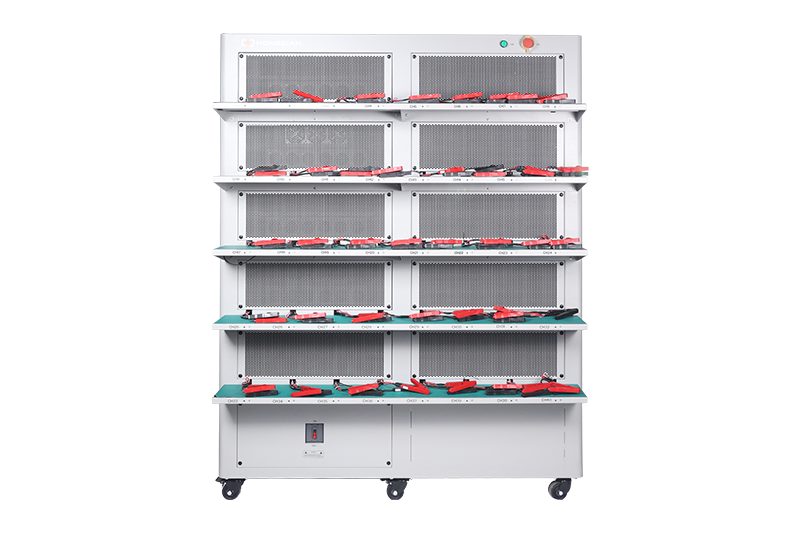 40 channel battery charging and discharging test integrated battery cabinet
  64 channel battery charging and discharging test integrated battery cabinet
 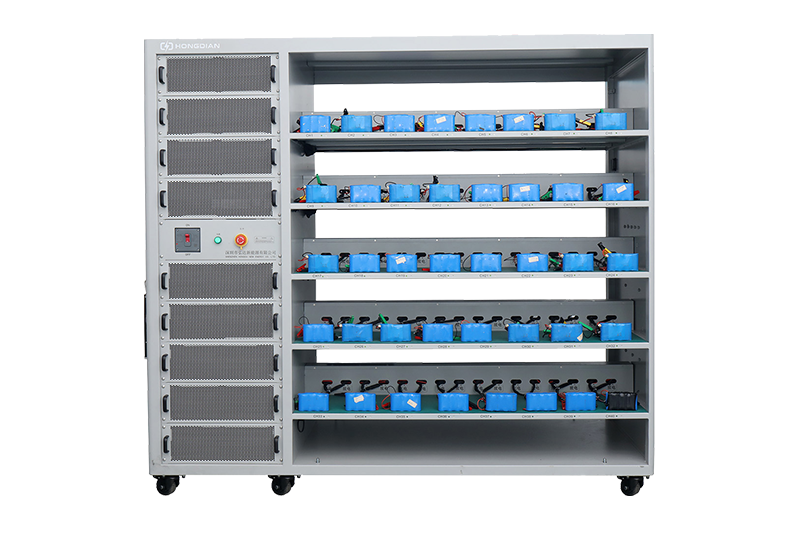 80 channel battery charging and discharging test integrated battery cabinet
 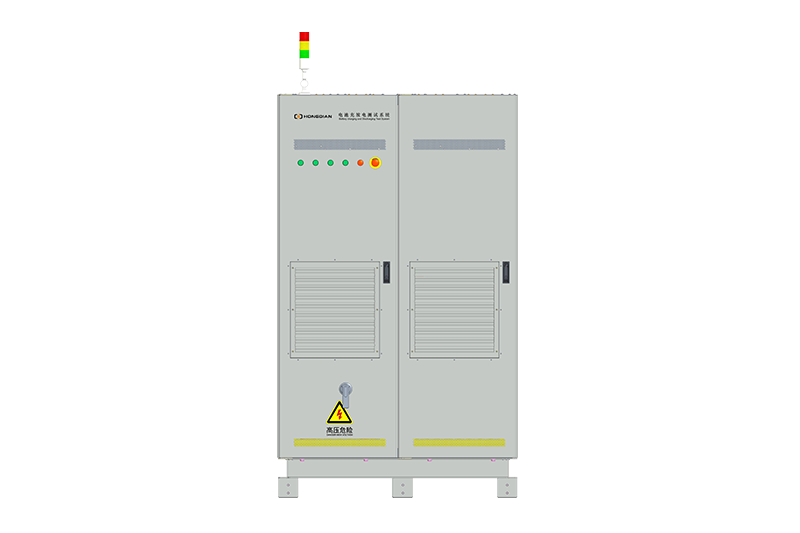 1000V-1500V High Voltage High Current Battery Testing System
 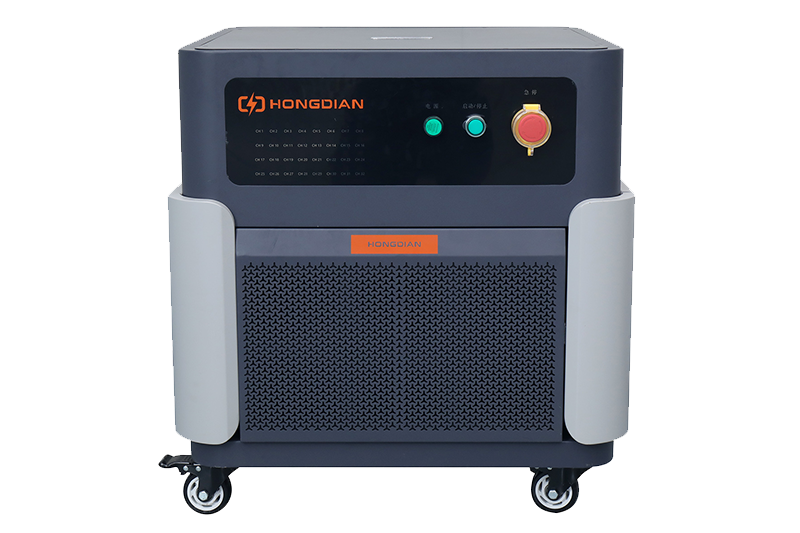 High-Precision Battery Testing System for Enhanced Performance Monitoring 30V/60V/100V/120V
 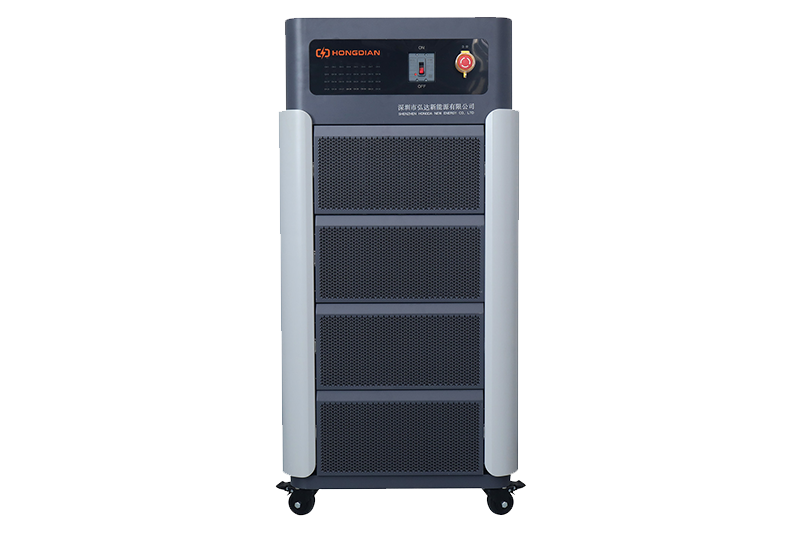 High-Precision Battery Charge Discharge Test Systems for EV Manufacturers
 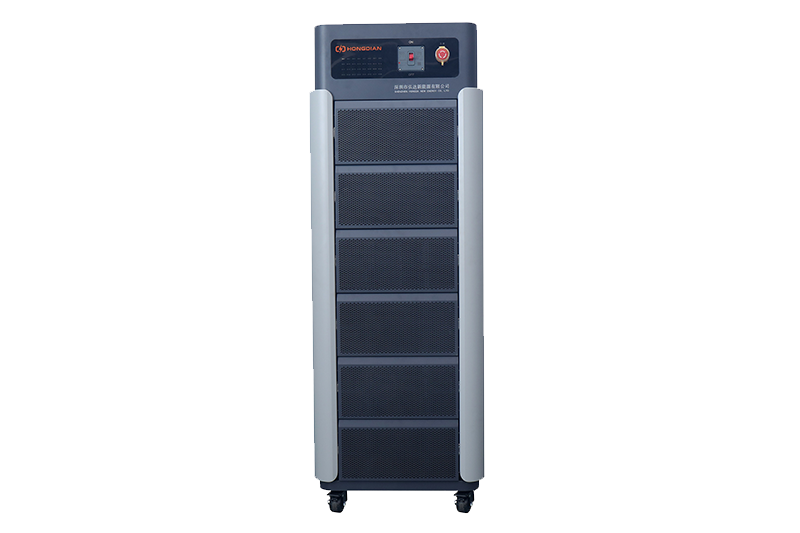 Precision Battery Test Racks for Cell Capacity & Internal Resistance Measurement
  Multi-Channel Battery Testing Equipment for Parallel Performance Analysis